To know more about this amazing culture, I’ve created this tiny piece on South Africa’s perception of gender and how it can be compared to Colombia’s.
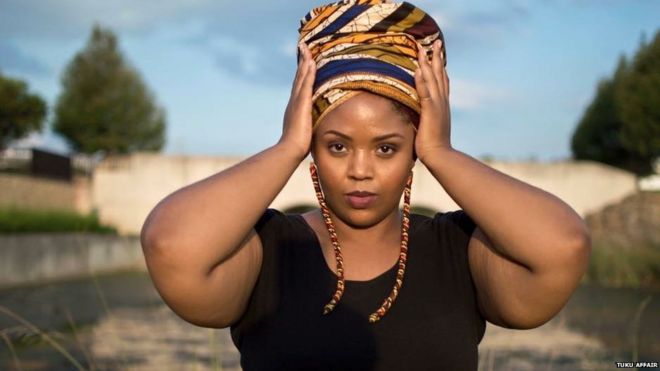
Gender roles are usually based on several factors such as how the culture has traditionally enacted gender roles through formal (law, policies) and informal institutions (religion, individual and collective beliefs).
In South Africa, many racial and ethnic groups have maintained traditional gender roles, and most are very similar to the ones in Colombia, in which women usually have less power than men.
Although nowadays men have come to fulfill many women roles, the expectations towards women are higher both in South Africa and Colombia. For instance, women are now expected to work outside, but not stop their domestic job. They get home to cook, clean, get the children ready, among other things.
Also, women make up just over half of the population in South Africa and Colombia, but when one examines the population in the poorest areas like rural areas and informal settlements there are always many more women than men. Over half of all the women that live in these rural areas live in extreme poverty with single family households more common. In Colombia, the so called «madres cabeza de hogar» are augmenting. Both here and in South Africa, access to land and support for small-scale farming is a major problem.
One of the differences between South African and Colombian women, is that the latter achieve a higher education level. Most South African women have grade 7 or less education and many no schooling at all.
Another thing that has impacted South African women is Apartheid. The visible discrimination against black people in this country has caused an even worse condition for black women. In Colombia, there is discrimination but not as radical as in this african country. The Apartheid is still felt in every sphere of life: politics, economy, law and social life. Seeking for a job in South Africa being a woman is harder than in Colombia.
In conclusion, gender roles are still a problem for women in South Africa and in Colombia. In both country, they represent more obstacles in the day-to-day life and also in the long run for women. There are differences, but one can say that men still hold the power in both countries, as women are still considered the «weak gender».
 A journey to South Africa